
Feed the Cats Program: A Comprehensive Overview (as of 04/30/2026)
Official program PDFs detail Tony Hollers’ speed-focused training‚ emphasizing maximal velocity and biochemical toughness for athletes seeking competitive advantages.
These resources outline schedules‚ drills‚ and performance metrics‚ alongside feline nutrition guides promoting frequent‚ small meals and enrichment strategies.
Community feeding guidelines within the PDFs address optimal daylight feeding times and minimizing wildlife interactions‚ ensuring responsible cat care practices.
What is the “Feed the Cats” Program?
The “Feed the Cats” program‚ as documented in available PDFs‚ is a comprehensive training methodology developed by Tony Hollers‚ primarily geared towards enhancing athletic speed. It’s not about feline care‚ despite the name’s potential for misinterpretation; the program’s core principle revolves around prioritizing and maximizing velocity in athletes.
Program PDFs reveal a focused approach where all training energy is directed towards achieving peak speed‚ even in endurance events like the 400m. The philosophy challenges conventional wisdom‚ asserting that endurance is secondary to raw‚ competitive speed. A key component is developing “biochemical toughness‚” enabling athletes to withstand the demands of intense sprint training.
These documents detail that the program isn’t simply about physical conditioning; it’s about building an athlete’s resilience at a biochemical level. While seemingly counterintuitive‚ the program’s success hinges on this singular focus‚ making it a unique and potentially highly effective training system. The PDFs serve as a guide to implementing this specialized approach.
The Core Philosophy: Prioritizing Speed
The foundational tenet of the “Feed the Cats” program‚ as elucidated in its official PDFs‚ is a relentless focus on speed above all else. This isn’t merely a preference‚ but a fundamental principle guiding every aspect of the training regimen. Tony Hollers’ methodology centers on the belief that maximizing velocity is the primary determinant of athletic success‚ even in events traditionally considered endurance-based.
Program documentation consistently emphasizes “keeping the main thing the main thing‚” with “the main thing” unequivocally being speed. PDFs demonstrate a rejection of the notion that endurance is a prerequisite for success‚ particularly in competitive settings. Instead‚ the program advocates for developing exceptional speed and a corresponding biochemical resilience.
These materials highlight that all training modalities‚ drills‚ and conditioning exercises are ultimately geared towards enhancing an athlete’s ability to achieve and maintain maximal velocity. This singular focus distinguishes the “Feed the Cats” program and defines its core philosophical approach.
Tony Hollers’ Training Methodology
The “Feed the Cats” program PDFs detail Tony Hollers’ unique approach‚ built around a commitment to maximizing athletic speed. His methodology isn’t a generalized fitness plan‚ but a highly specific system designed to cultivate explosive velocity and competitive toughness. The program’s documentation emphasizes a streamlined focus‚ eliminating extraneous elements that don’t directly contribute to speed development.
Hollers’ training‚ as outlined in the official resources‚ prioritizes drills and exercises that directly enhance an athlete’s ability to accelerate and maintain top speed. The PDFs showcase a structured approach‚ with clear progressions and performance metrics to track improvement. A key component is the development of “biochemical toughness‚” enabling athletes to withstand the demands of intense sprinting.
The program’s PDFs demonstrate a deliberate rejection of traditional endurance-focused training in favor of a speed-centric model‚ emphasizing competitive readiness and the ability to perform at peak velocity when it matters most.
Focus on Maximal Velocity
The “Feed the Cats” program PDFs consistently reinforce the central tenet: speed is paramount. All training components‚ drills‚ and exercises are meticulously designed to enhance maximal velocity‚ serving as the core objective. The documentation details how Hollers’ methodology diverges from conventional approaches that prioritize endurance alongside speed development.
These resources showcase a targeted approach‚ focusing on the physiological and biomechanical factors that contribute to explosive acceleration and top-end speed. The PDFs provide detailed breakdowns of drills aimed at improving stride length‚ frequency‚ and overall running mechanics. Emphasis is placed on achieving peak velocity‚ rather than sustaining a moderate pace over extended distances.
The program’s PDFs illustrate that Hollers believes in prioritizing raw speed‚ asserting that competitive success hinges on the ability to achieve and maintain maximal velocity‚ even at the expense of extensive endurance training.
Biochemical Toughness in Sprint Training
The “Feed the Cats” program PDFs delve into the concept of “biochemical toughness‚” a crucial element in Hollers’ sprint training philosophy. These documents explain that achieving peak speed isn’t solely about physical conditioning; it’s also about the athlete’s ability to withstand the metabolic stress of intense sprinting.
The PDFs detail training protocols designed to enhance the body’s resilience to the biochemical demands of high-velocity running. This includes strategies for managing lactic acid buildup‚ optimizing energy systems‚ and improving recovery between sprints. The program emphasizes that repeated exposure to high-intensity efforts builds tolerance and allows athletes to perform at their best even under fatigue.
According to the program’s documentation‚ biochemical toughness is not simply about enduring discomfort; it’s about developing the physiological capacity to repeatedly produce maximal force without significant performance decline‚ ultimately leading to competitive success.
Feline Nutrition and Feeding Programs
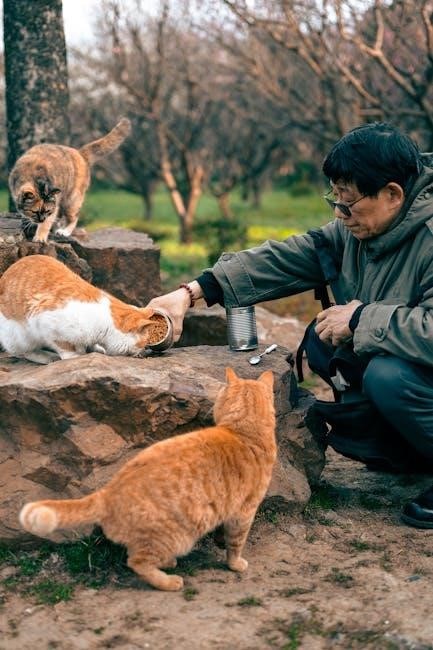
Program PDFs advocate frequent‚ small meals‚ puzzle feeders‚ forage feeding‚ multiple stations‚ and automatic feeders to enrich feline wellbeing and satisfy natural behaviors.

The Importance of Frequent‚ Small Meals
The “Feed the Cats” program PDFs strongly emphasize the benefits of providing felines with numerous‚ smaller meals throughout the day‚ rather than relying on traditional‚ larger feeding schedules. This approach directly addresses a cat’s natural hunting instincts and digestive physiology.
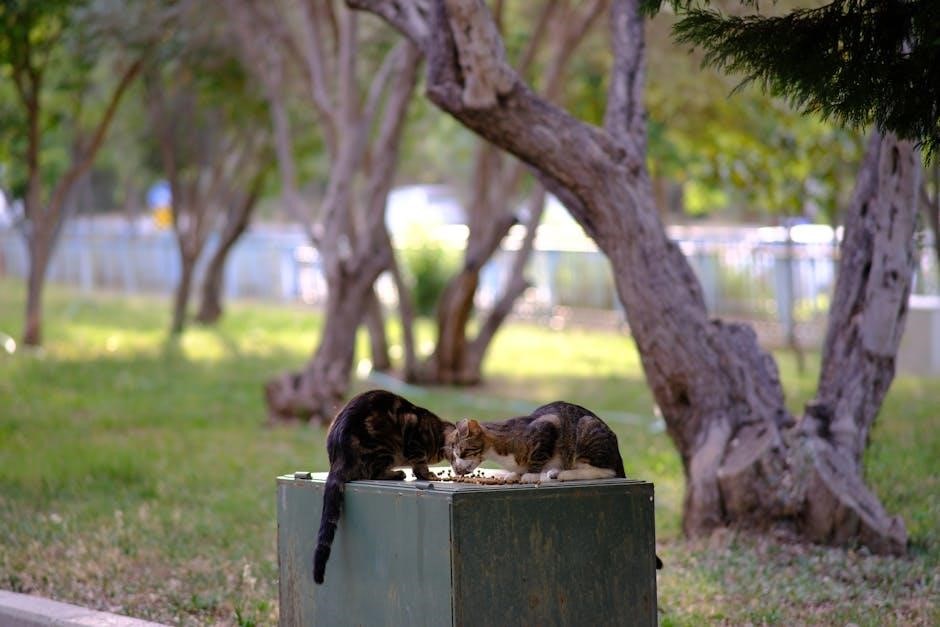
Unlike humans‚ cats evolved to consume a series of small prey items‚ leading to a digestive system optimized for frequent intake. Larger meals can overwhelm their system‚ potentially leading to digestive upset or inefficient nutrient absorption.
The program materials detail how this feeding strategy supports consistent energy levels‚ prevents boredom‚ and promotes a healthier weight. PDFs highlight that frequent feeding mimics the natural foraging behavior‚ reducing stress and enhancing overall wellbeing.
Furthermore‚ the documents suggest this method is particularly beneficial when combined with enrichment tools like puzzle feeders‚ encouraging mental stimulation alongside nutritional intake‚ ultimately contributing to a happier and healthier feline companion.
Utilizing Puzzle Feeders for Enrichment
The “Feed the Cats” program PDFs dedicate significant attention to the integration of puzzle feeders as a crucial component of feline enrichment. These devices aren’t merely about dispensing food; they actively engage a cat’s natural hunting instincts and cognitive abilities.
Program documentation details a variety of puzzle feeder types‚ ranging from simple treat balls to more complex interactive toys that require problem-solving skills. PDFs explain how these feeders slow down eating‚ preventing overconsumption and aiding digestion‚ mirroring how cats would naturally obtain meals.
The benefits extend beyond physical health; puzzle feeders provide mental stimulation‚ combating boredom and reducing stress-related behaviors. Materials emphasize that a mentally stimulated cat is a happier and healthier cat.
The program advocates for rotating puzzle feeders to maintain novelty and prevent habituation‚ ensuring continued engagement. PDFs offer guidance on selecting appropriate feeders based on a cat’s age‚ ability‚ and preferences‚ maximizing the enrichment experience.
Forage Feeding: Encouraging Natural Hunting Behaviors
The “Feed the Cats” program PDFs strongly advocate for forage feeding‚ a technique designed to replicate a cat’s natural hunting experience. This involves scattering small portions of food throughout the environment‚ prompting cats to “hunt” for their meals.
Program materials detail how forage feeding taps into a cat’s innate predatory instincts‚ providing both physical and mental stimulation. PDFs suggest hiding food in various locations – under furniture‚ on cat trees‚ or within designated foraging areas – to increase the challenge.
The benefits are multifaceted‚ extending beyond enrichment to include improved digestion and weight management. Documents explain that slower‚ more deliberate eating promotes satiety and prevents overeating.
The program emphasizes a gradual introduction to forage feeding‚ starting with easily accessible locations and progressively increasing the difficulty. PDFs offer guidance on monitoring a cat’s foraging behavior and adjusting the strategy accordingly‚ ensuring a positive and enriching experience.
Multiple Feeding and Water Stations
The “Feed the Cats” program PDFs consistently highlight the importance of establishing multiple feeding and water stations‚ particularly within community cat care scenarios. This strategy addresses several key feline needs and promotes overall well-being.
Program documentation explains that providing numerous stations reduces competition among cats‚ ensuring all individuals have consistent access to resources. PDFs recommend strategically placing stations in quiet‚ safe locations‚ away from high-traffic areas or potential disturbances.
The benefits extend to hydration; multiple water sources encourage increased water intake‚ which is crucial for feline health. Materials suggest using different types of bowls – ceramic‚ stainless steel‚ or even fountains – to cater to individual preferences.
The program emphasizes maintaining cleanliness and regularly replenishing both food and water at each station. PDFs offer detailed guidelines on sanitation protocols and monitoring consumption levels to identify any potential health concerns.
Automatic Feeders: Convenience and Consistency
“Feed the Cats” program PDFs acknowledge automatic feeders as a valuable tool for caregivers seeking convenience and‚ crucially‚ consistency in feline feeding schedules. The documentation details how these devices can be particularly beneficial for managing multiple cats or adhering to strict dietary requirements.
PDF resources emphasize selecting feeders with programmable timers and portion control features. This ensures cats receive the recommended amount of food at predetermined intervals‚ mimicking natural foraging patterns while preventing overeating. The program suggests starting with small portions and gradually adjusting based on individual cat needs.
Materials also address potential challenges‚ such as feeder malfunctions or cats tampering with the device. PDFs recommend regular maintenance‚ secure mounting‚ and monitoring to ensure proper operation.
The program highlights that while automatic feeders offer convenience‚ they shouldn’t replace human interaction and observation. PDFs stress the importance of daily check-ins to assess cat health and address any feeding-related issues.
Community Cat Feeding Practices
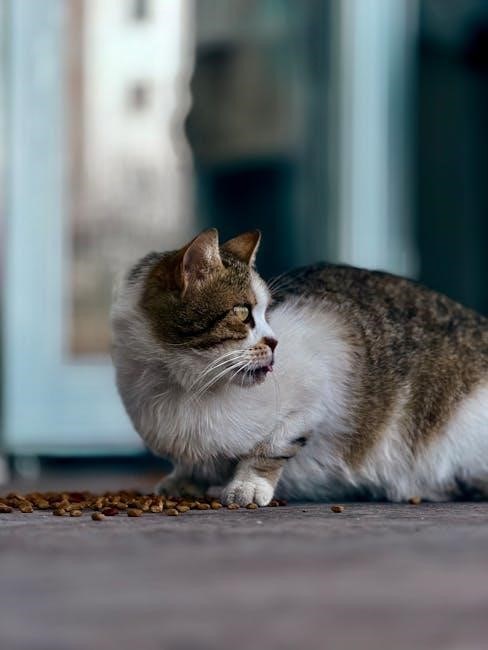
Program PDFs detail feeding during daylight to deter nocturnal wildlife‚ reducing interactions between cats and animals like raccoons‚ opossums‚ and skunks.
Guidelines promote responsible community care‚ minimizing conflicts and ensuring the wellbeing of both feline and local wildlife populations.
Optimal Feeding Times: Daylight Hours
The “Feed the Cats” program PDFs strongly advocate for scheduling feeding times exclusively during daylight hours. This strategic approach is fundamentally rooted in minimizing unwanted interactions with nocturnal wildlife‚ a crucial aspect of responsible community cat care.
Specifically‚ the documents highlight the attractant nature of food for animals such as raccoons‚ opossums‚ and skunks‚ all of which are most active at night. By confining feeding to daylight‚ the program aims to significantly reduce the likelihood of these encounters.
This practice isn’t merely about convenience; it’s about fostering a harmonious coexistence between community cats and the surrounding ecosystem. Reducing these interactions benefits both the feline population – minimizing potential disease transmission and conflict – and the wildlife‚ preventing dependence on artificial food sources.
The PDFs emphasize that consistent adherence to daylight feeding schedules is paramount for the program’s effectiveness and the overall health of the community.
Minimizing Wildlife Interactions
The “Feed the Cats” program PDFs dedicate significant attention to strategies for minimizing interactions between community cats and local wildlife. This focus stems from a commitment to both feline wellbeing and ecological balance‚ recognizing the potential for negative consequences arising from frequent contact.
Documents detail how readily available food can attract unwanted visitors like raccoons‚ opossums‚ and skunks‚ potentially leading to competition for resources‚ disease transmission‚ and even aggressive encounters. The program emphasizes proactive measures to mitigate these risks.
PDFs suggest employing feeding practices that discourage wildlife presence‚ such as removing leftover food promptly and utilizing feeding stations designed to be less accessible to larger animals. Consistent adherence to daylight feeding schedules‚ as outlined elsewhere‚ is also crucial.
Ultimately‚ the program aims to create a sustainable feeding environment that supports the health of community cats without disrupting the natural behaviors of local wildlife populations.
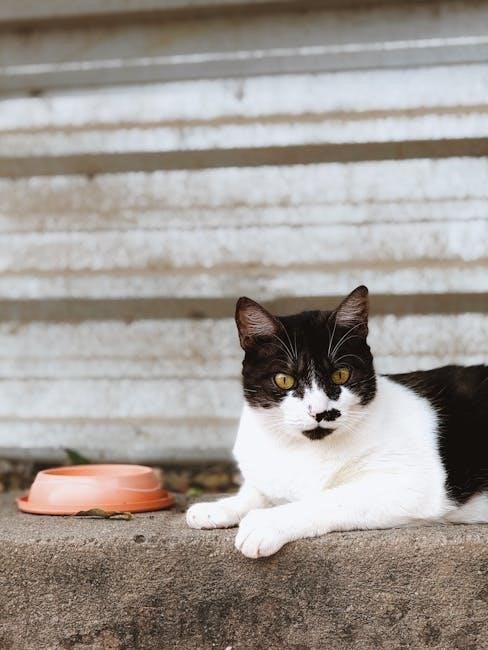
Reducing Attractiveness to Nocturnal Animals
“Feed the Cats” program PDFs comprehensively address the issue of attracting nocturnal animals to feeding sites‚ outlining specific strategies to minimize this occurrence. The core principle revolves around altering feeding behaviors to align with daylight hours‚ thereby diminishing the appeal for creatures active at night.
The documents emphasize that consistent removal of uneaten food is paramount. Leaving food out overnight acts as a beacon for raccoons‚ opossums‚ and skunks‚ creating a reliance on the readily available resource and encouraging repeated visits.
PDFs detail the importance of selecting feeding locations carefully‚ avoiding areas with dense vegetation or easy access points for nocturnal wildlife. Implementing secure feeding stations‚ designed to exclude larger animals‚ is also recommended.
By adhering to these guidelines‚ the program aims to foster a responsible feeding practice that supports feline health while minimizing disruption to the local ecosystem and reducing potential conflicts with nocturnal species.
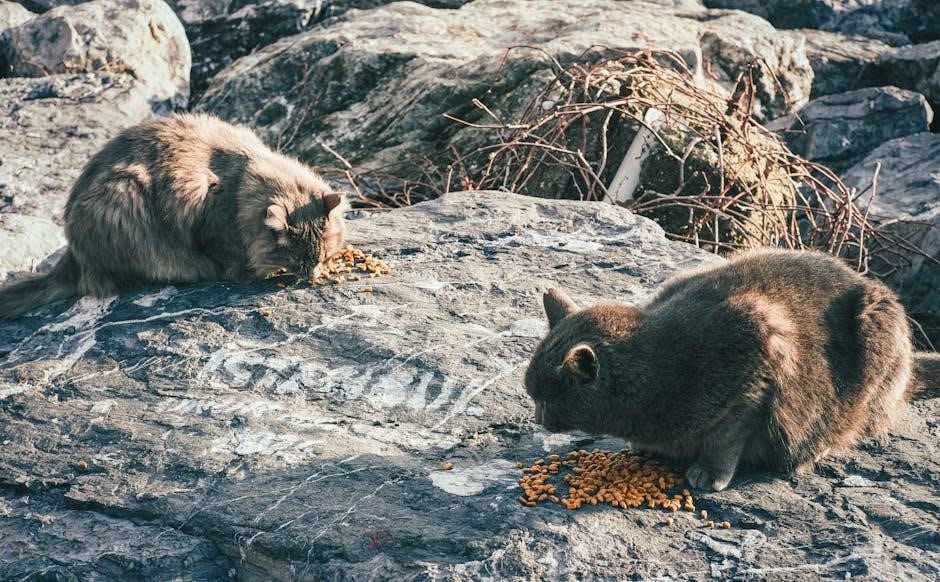
PDF Resources and Program Access
Official “Feed the Cats” PDFs provide detailed training schedules‚ feline nutrition guidance‚ and community feeding protocols‚ accessible for program implementation and athlete development.
Locating Official “Feed the Cats” Program PDFs
Accessing the official “Feed the Cats” program PDFs requires navigating to resources directly associated with Tony Hollers’ training methodologies and affiliated athletic organizations. Currently‚ a centralized repository isn’t publicly available; however‚ information suggests exploring websites of organizations that have featured or collaborated with Hollers on speed and agility training.
Initial searches should focus on platforms like Atleta Explosivo‚ where the program’s core philosophy – prioritizing speed – is prominently discussed. Veterinary resources‚ such as catvets.com‚ may contain supplemental PDFs related to the feline nutrition aspects integrated into the broader program’s emphasis on biochemical toughness.
Furthermore‚ HumanePro by Humane World for Animals offers community cat feeding guidelines‚ potentially linked as supporting documentation within comprehensive program materials. Direct contact with Hollers’ representatives or affiliated coaches may also yield access to the complete PDF suite‚ ensuring authenticity and the most up-to-date program details.
Potential Content Within Program PDFs
The “Feed the Cats” program PDFs likely contain a detailed breakdown of Tony Hollers’ training philosophy‚ centering on the singular pursuit of speed as the primary athletic objective. Expect comprehensive sections dedicated to maximal velocity drills‚ outlining specific exercises and techniques designed to enhance sprint performance.
A significant portion will likely address biochemical toughness‚ detailing strategies for building resilience and competitive endurance‚ even within a speed-focused framework. Feline nutrition PDFs will cover frequent‚ small meals‚ puzzle feeder utilization‚ forage feeding techniques‚ and multi-station feeding setups.
Community cat care PDFs will emphasize daylight feeding schedules to minimize wildlife interactions‚ alongside guidelines for reducing attractiveness to nocturnal animals. Performance metrics‚ training schedules‚ and drill analyses will be included‚ offering a data-driven approach to athlete development and feline wellbeing.
Understanding Training Schedules and Drills
The “Feed the Cats” program PDFs meticulously detail training schedules built around maximizing speed‚ reflecting Tony Hollers’ core philosophy. Expect progressive drill sequences‚ starting with foundational movements and escalating to high-intensity sprints‚ all geared towards achieving peak velocity.
Drills will likely focus on acceleration mechanics‚ top-end speed maintenance‚ and biochemical conditioning – building resilience for repeated high-speed efforts. PDFs may include detailed diagrams illustrating proper form and technique for each drill‚ alongside specific rep and set recommendations.
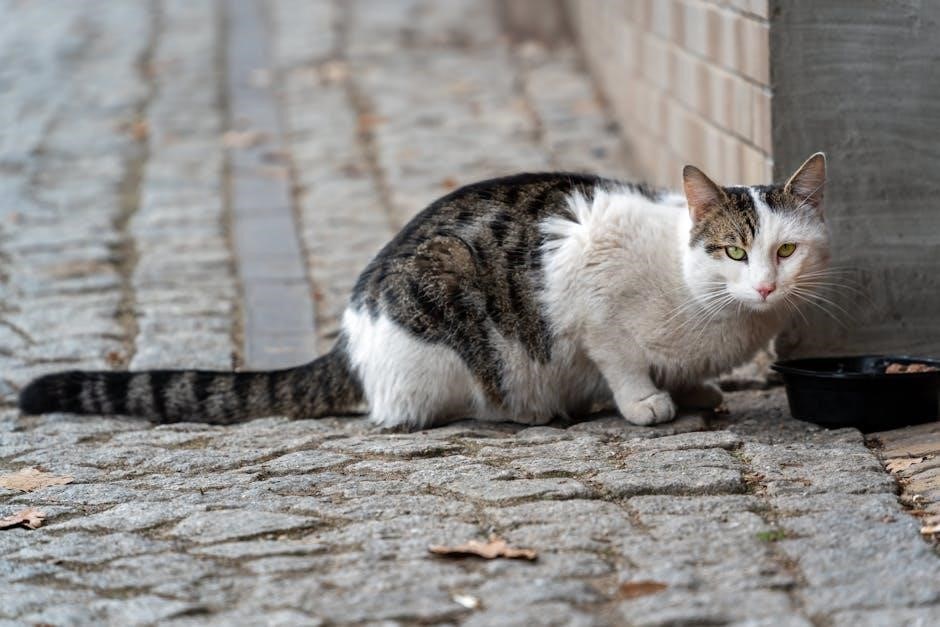
Schedules will likely incorporate periodization‚ varying training intensity and volume to optimize adaptation and prevent plateaus. Feline-focused PDFs will detail enrichment schedules utilizing puzzle feeders and forage feeding‚ promoting natural hunting behaviors and consistent feeding routines.
Analyzing Performance Metrics in the Program
“Feed the Cats” program PDFs emphasize data-driven progress‚ outlining key performance indicators (KPIs) for athletes. Expect detailed instructions on tracking sprint times‚ acceleration rates‚ and recovery metrics to gauge improvements in speed and biochemical toughness.
The PDFs likely detail methods for analyzing these metrics‚ identifying strengths and weaknesses‚ and adjusting training accordingly. For feline nutrition‚ metrics might include food consumption rates‚ weight monitoring‚ and behavioral observations related to feeding enrichment.
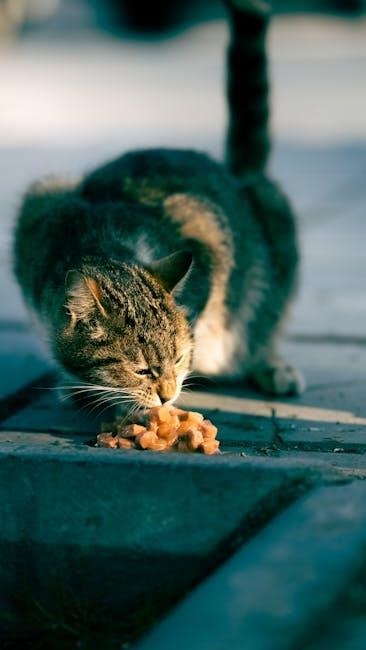
Understanding these metrics is crucial for optimizing training and ensuring athletes are responding positively to the program. PDFs may include sample data logs and analysis templates‚ facilitating a systematic approach to performance evaluation and continuous improvement‚ mirroring Hollers’ focus on speed.